


survey questions

Two students walk by and snicker at a third who has dropped his books on the hallway floor.

How Everyday Interactions Shape Student Faith and Witness in Christian Schools

How Everyday Interactions Shape Student Faith and Witness in Christian Schools 1920 1080 Katherine Schultz

You can tell a lot about a student’s faith in the 90 seconds between classes. It’s in how they treat a classmate who just dropped a pile of books, whether they laugh along with a hurtful joke—or walk away, and how they handle disagreement during a group project. Everyday moments reveal faith and shape authentic Christian witness in school life.

read more


Several students in a school science lab.

Scientific Curiosity in Christian Education: Strengthening a Biblical Worldview

Scientific Curiosity in Christian Education: Strengthening a Biblical Worldview 1920 1080 Katherine Schultz

Christian educators sometimes hesitate when students’ questions about science become frequent and pointed. They worry: will too many inquiries pull children away from faith? Yet, looking intently into God’s creation is not opposed to belief. When guided well, it becomes one of the strongest supports of biblical worldview formation. When students engage thoughtfully with God’s handiwork, they grow both in knowledge and worship.

read more
Young adult students seated on the floor in front of a row of lockers. Foreground figure is female with head hung low, hands clasped on knees. Could be praying or just thinking.

Why ‘Helping the Most People’ Misses the Mark: A Christian Approach to Moral Decisions

Why ‘Helping the Most People’ Misses the Mark: A Christian Approach to Moral Decisions 1920 1080 Katherine Schultz

When we make moral decisions, the world often tells us to maximize benefits, but Scripture offers a deeper foundation. Biblical ethics guide us to make choices that align with God’s will, not just human logic. It’s time to rethink how we decide what’s right, beyond simply ‘helping the most people.’

read more
Vertically split screen with 3 images. Left, a close up a wheelchair wheel with a hand gripping it; center a young girl with visible signs of Down syndrome; right, an older couple looking fondly at one another.

Human Value in a Performance-Driven Culture: Teaching Students a Biblical Worldview of Worth

Human Value in a Performance-Driven Culture: Teaching Students a Biblical Worldview of Worth 1920 1080 Katherine Schultz

In a culture that measures value by usefulness, the biblical worldview offers a radically different lens: every person matters—not because of what they can do, but because they are made in the image of God. This truth reshapes how we disciple students, lead classrooms, and measure success.

read more
A tablet with colorful digital sound waves laid atop a table with a collection of other entertainment items like popcorn and a move clapper.

How Entertainment Shapes Student Worldview—And What Schools Can Do

How Entertainment Shapes Student Worldview—And What Schools Can Do 1920 1080 Katherine Schultz

Entertainment is one of the most powerful forces shaping students’ imaginations, values, and desires. The question is: Who’s holding the reins? Christian educators must equip students to think critically and biblically about their media consumption, helping them develop a biblical worldview amidst secular influences.

read more
Close-up shot of a judge's gavel resting on it's base.

Why Law Isn’t the Final Word on Morality

Why Law Isn’t the Final Word on Morality 1920 1080 Katherine Schultz

Discover why morality isn’t defined by law. History, reason, and Scripture show that God’s unchanging truth, not the law of the land, sets the standard for right and wrong.

read more
Several people's raised hands, just showing their torsos and hands.

How Worship Influences the Heart-Orientation Dimension of Worldview

How Worship Influences the Heart-Orientation Dimension of Worldview 1920 1080 Katherine Schultz

Worship plays a pivotal role in shaping the heart-orientation dimension of worldview. This spiritual practice influences how students understand and respond to life’s challenges, providing a foundation for developing a biblical worldview.

read more
Split screen image of the Roman colosseum. Left side is black and white, right side is color. Text overly "the Battle for history"

The Battle for History: Why Christian Students Need a Biblical Framework

The Battle for History: Why Christian Students Need a Biblical Framework 1920 1080 Katherine Schultz

History isn’t just a record of past events—it’s a battleground of ideas that shape students’ worldview and faith. Without a biblical framework, students risk seeing history as either meaningless or something to control through human effort.

read more
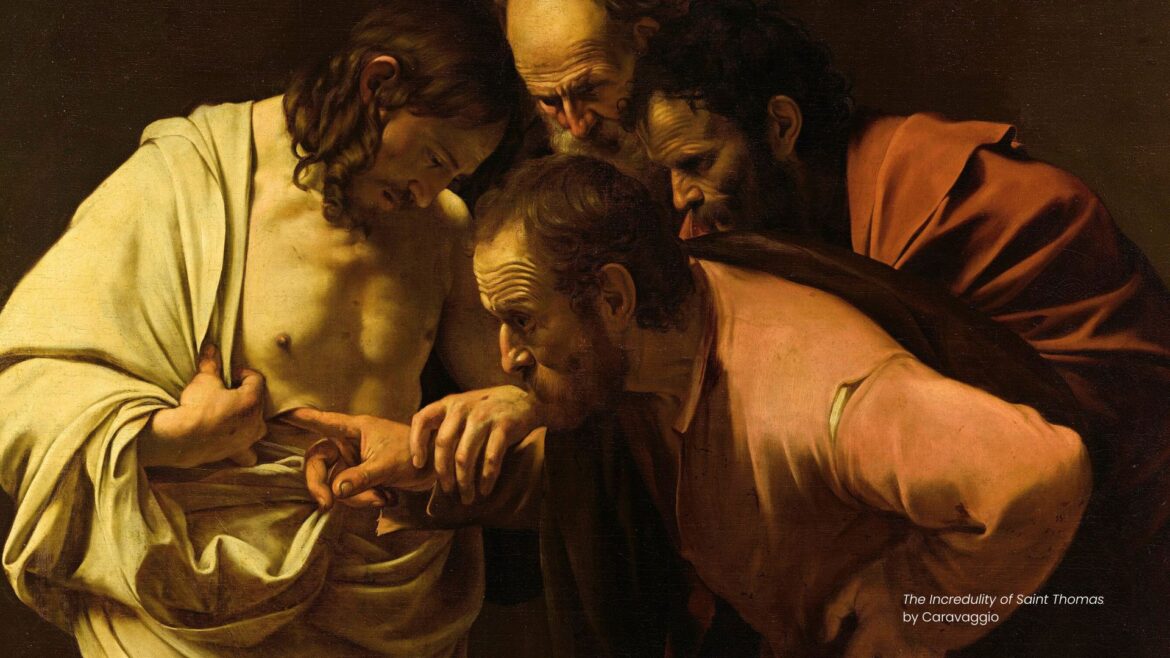
The renaissance painting "The Incredulity of St Thomas" by Caravaggio. Thomas puts his finger into the wound in the risen Christ's side as 2 others look on.

Why the Physical Resurrection of Jesus Matters Today

Why the Physical Resurrection of Jesus Matters Today 1920 1080 Katherine Schultz

The resurrection of Jesus Christ is the foundation of Christian faith—confirming victory over death, the hope of eternal life, and the redemption of creation. His physical resurrection was not symbolic but a tangible, historical reality that transforms our worldview and daily lives. Discover how this truth shapes faith, education, and the future.

read more
The words Sin & Redemption across the top half of a dark background with a very closeup view in the foreground of a chain lying in the background, and a single fresh green leaf sprouting out of the soil.

Sin and Redemption: Shaping Student Beliefs with the Solution to the Human Predicament

Sin and Redemption: Shaping Student Beliefs with the Solution to the Human Predicament 1920 1080 Katherine Schultz

The pervasive influence of sin creates a crisis in student worldview. As Christian educators, we face the challenge of guiding students toward a mature biblical perspective. By addressing sin and its consequences, we can help students embrace redemption and develop a holistic understanding of their beliefs, behaviors, and attitudes.

read more