

3D Worldview Survey

Get to the heart of worldview

What Is the 3-D Worldview Survey?

What Is the 3-D Worldview Survey? 1920 1080 Katherine Schultz

What Is the 3-D Worldview Survey? January 31, 2023Katherine Schultz Let’s start with a question: Why even try to assess worldview? The Bible encourages us to be reflective. Test yourselves to see if you are in the faith; examine yourselves! Or do you not recognize this about yourselves, that Jesus Christ is in you-unless indeed…

read more


A young man stands facing a city skyline that transitions from completed buildings into blue architectural sketches, illustrating the power of imagination to envision what is not yet visible.

The Role of Imagination in Forming a Biblical Worldview

The Role of Imagination in Forming a Biblical Worldview 1920 1080 Katherine Schultz

Students do not develop a biblical worldview through information alone. Imagination quietly shapes what they believe, how they live, and what they love. Discover why it plays a vital role in biblical worldview formation.

read more

The Hidden Discipleship Moments Most Teachers Miss

The Hidden Discipleship Moments Most Teachers Miss 150 150 Katherine Schultz

Christian school leaders often recognize obvious worldview instruction moments. They are less likely to notice the quieter moments shaping students every day: failure, cynicism, dishonesty, disengagement, or rejection of truth itself. “The Hidden Discipleship Moments Most Teachers Miss” explores six ordinary school situations that reveal deeper beliefs, behaviors, and heart attitudes—and why those moments matter for worldview formation far beyond Bible class.

read more
Students completing a digital worldview survey on classroom computers.

How Do We Know Students Are Answering Honestly?

How Do We Know Students Are Answering Honestly? 1920 1080 Katherine Schultz

Students often know the “right” biblical answers. That does not automatically mean their beliefs, behaviors, and heart orientation are aligned. Christian school leaders frequently wonder whether worldview assessments reveal genuine conviction or carefully managed responses. The deeper issue is not perfect honesty, but whether your school culture creates enough trust, reflection, and spiritual seriousness for meaningful patterns to emerge.

read more
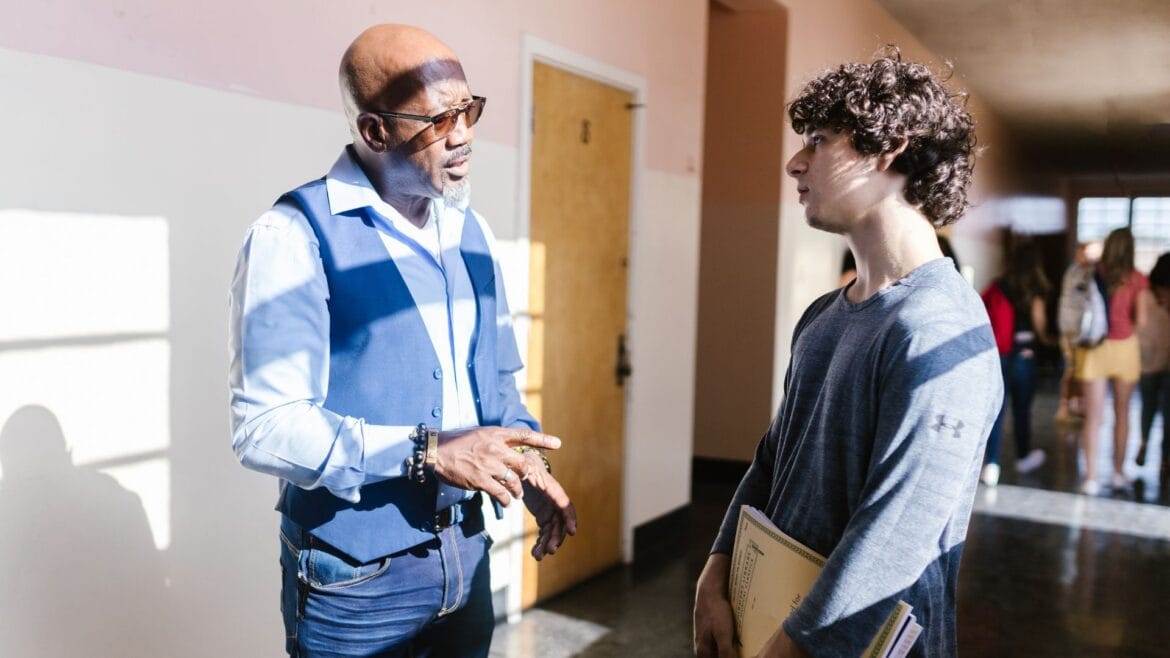
Adult mentor speaks with a student in a school hallway during a conversation about biblical worldview.

How to Have Meaningful Conversations About Biblical Worldview

How to Have Meaningful Conversations About Biblical Worldview 1920 1080 Katherine Schultz

Meaningful worldview conversations do not begin with better arguments. They begin with better questions, careful listening, and a willingness to notice how students’ beliefs, behaviors, and heart orientation are being shaped. This post helps Christian school leaders guide honest, formative conversations about biblical worldview without turning every discussion into a debate.

read more
A stack of papers and folders piled high in an office inbox beside an empty outbox.

When Worldview Assessment Leads to Action

When Worldview Assessment Leads to Action 1920 1080 Katherine Schultz

Christian school leaders often wonder whether worldview assessment would produce meaningful insight or just another report. A wise assessment should do more than measure knowledge. It should help leaders recognize patterns in students’ beliefs, behaviors, and heart orientation so they can move from vague concern to faithful action.

read more
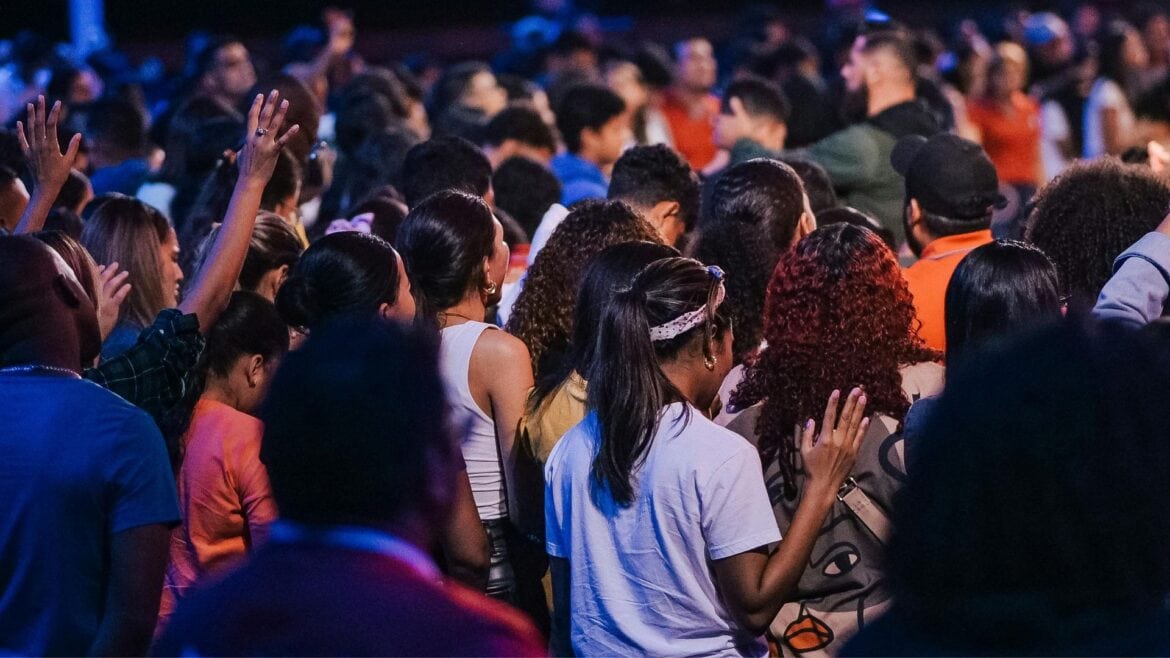
Students gathered in a worship service, with raised hands and bowed heads, illustrating the question of whether chapel participation becomes lasting worship after graduation.

Will Your Students Still Worship After Graduation?

Will Your Students Still Worship After Graduation? 1920 1080 Katherine Schultz

Many Christian school students participate in chapel. But what happens after graduation? This post examines how worship formation moves beyond required rhythms into durable affection for Christ shaped through beliefs, behaviors, and heart orientation.

read more
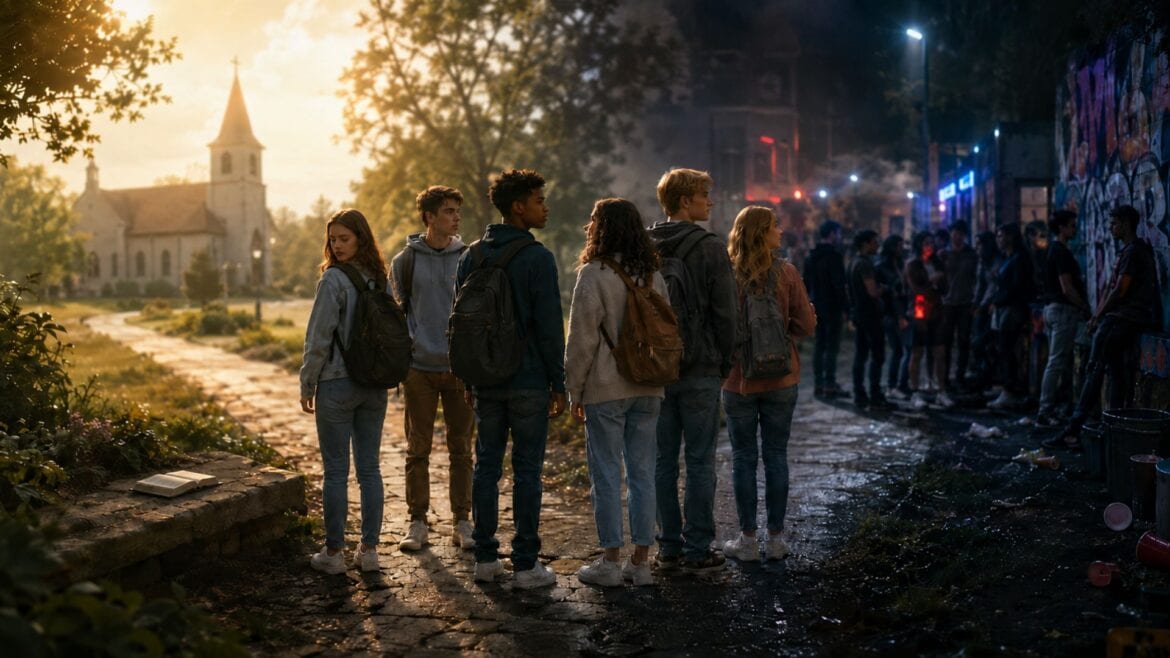
Students standing between a church and a secular social scene, illustrating the tension between professed Christian beliefs and everyday choices.

Why Do Students Say the Right Things but Live Differently?

Why Do Students Say the Right Things but Live Differently? 1920 1080 Katherine Schultz

Why do some students say all the right things yet live differently? The answer may lie beyond beliefs alone. When schools consider beliefs, behaviors, and heart orientation together, a clearer picture of worldview formation begins to emerge.

read more
Digital globe surrounded by interconnected patterns of light and data, representing the question of whether history is guided by purpose or shaped by random events.

If Students Think History Is Random: What That Does to Formation

If Students Think History Is Random: What That Does to Formation 1920 1080 Katherine Schultz

What happens when students quietly absorb the idea that history is random? This post explores how narrative coherence shapes belief, behavior, and heart orientation in Christian schools—and why providence matters for lasting formation.

read more
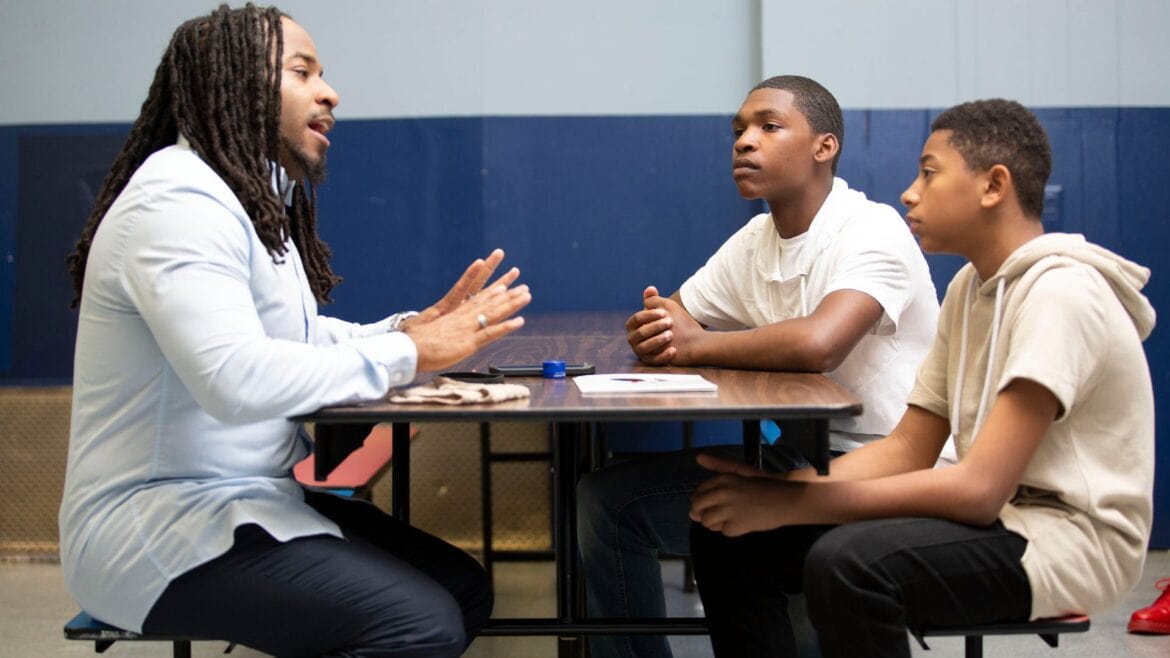
Mentoring conversation between a Christian school educator and two middle or high school students, illustrating spiritual formation, discipleship, and worldview discussion in a school setting.

Mentoring for Spiritual Formation: 5 Daily Practices That Shape Christian School Students’ Hearts

Mentoring for Spiritual Formation: 5 Daily Practices That Shape Christian School Students’ Hearts 1920 1080 Katherine Schultz

Mentoring in Christian schools is often discussed but rarely defined. What does it actually look like to shape students’ hearts in daily school life? In this post, Katherine Schultz outlines five practical practices that move mentoring beyond programs and into spiritual formation—while grounding the work in a clear 3-D worldview framework of beliefs, behaviors, and heart orientation. Ideal for heads of school and division leaders seeking clarity about how mentoring truly forms students over time.

read more
Teenagers recording a short-form video on a smartphone tripod, illustrating how social media content like TikTok and YouTube shapes student behavior and worldview

Teaching Students to Evaluate Short-Form Video Through a Biblical Lens

Teaching Students to Evaluate Short-Form Video Through a Biblical Lens 1920 1080 Katherine Schultz

TikTok and YouTube are discipling your students every day. Short-form video shapes their imagination, moral instincts, and spiritual assumptions—often faster than classrooms can respond. This post equips Christian school leaders to teach students how to evaluate short-form video through a 3-D biblical worldview lens, addressing beliefs, behaviors, and heart orientation with clarity and discernment.

read more