

Human Value in a Performance-Driven Culture: Teaching Students a Biblical Worldview of Worth
August 26, 2025
Worth Isn’t Measured by Strength or Status
Why do so many students—who affirm the sanctity of life on paper—hesitate to defend it in practice? It’s a tension we’ve seen in countless classrooms. A student writes eloquently about the value of life in an essay on abortion, but casually jokes about someone with disabilities. Another claims to believe all people are made in God’s image, yet dismisses the elderly as “irrelevant.”
This disconnect should deeply concern Christian educators. The biblical worldview doesn’t allow us to rank human lives by perceived usefulness, health, or independence. And yet, many of our students, without realizing it, have absorbed cultural messages that do exactly that.
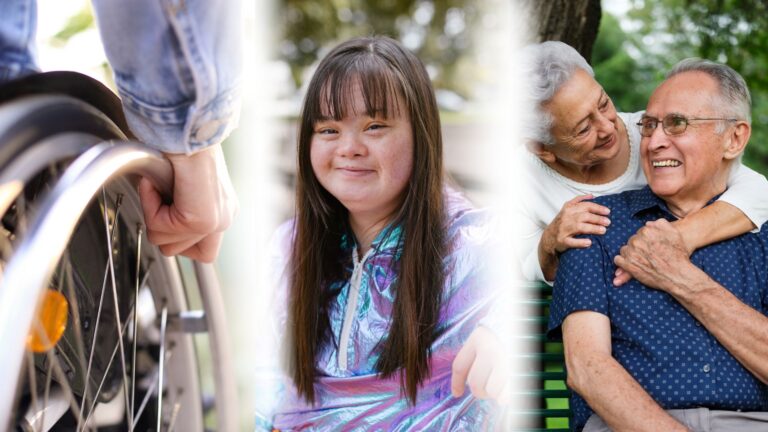
In a Christian school setting, we sometimes assume students share our convictions. But assumptions are dangerous when it comes to worldview formation. If we’re not careful, we may end up graduating students who can quote Genesis 1:27—“So God created mankind in his own image”—without ever learning to apply it to someone in a wheelchair, a nursing home, or a womb.
Every Human Life Reflects God’s Image
From the very beginning, Scripture roots human worth not in ability, intelligence, or independence—but in the imago Dei. “God created mankind in his own image,” the Bible declares, “in the image of God he created them; male and female he created them” (Genesis 1:27). This foundational truth is non-negotiable in a biblical worldview.
Yet in practice, it’s often ignored. Students may affirm this belief propositionally while dismissing its implications. They might be pro-life in theory but fail to show dignity toward peers with learning differences or chronic illness. That gap between belief and behavior is a clear indicator that worldview formation is incomplete.
Moreover, the heart-level attitude—how a student feels about those who are different or dependent—often goes unexamined. Do they feel burdened by the disabled? Disgusted by the elderly? Afraid of the terminally ill? A biblical worldview doesn’t just instruct minds—it reorients hearts.
And that reorientation must be embodied. In Scripture, beliefs are never abstract; they manifest in concrete actions, relationships, and postures. The incarnation itself—God becoming flesh—is the ultimate affirmation that our bodies matter and that the way we treat embodied souls reflects what we believe about God. To say we value life is to show it with our time, presence, care, and respect.
Paul reminds us in 1 Corinthians 12:22 that “those parts of the body that seem to be weaker are indispensable.” That’s not poetic sentiment. It’s a radical reordering of value. To the Christian, no one is disposable. No one is lesser. Every life matters—not just in concept, but in daily practice.
Why Students Struggle to Live This Out
So why do our students struggle to embody this belief? Part of the challenge lies in the dominant narratives they absorb daily. Media, social platforms, and even peer interactions constantly reinforce the idea that worth is tied to beauty, strength, intellect, or autonomy. Suffering is seen as a problem to eliminate—not a space where God is present.
Our students are being catechized by the culture even as we teach them from Scripture. And the culture teaches that productivity equals worth. No wonder, then, that students feel uncomfortable around someone who uses a speech device or avoid visiting the elderly in care homes. They’ve been trained to overlook the very people God calls them to honor.
Romans 12:2 challenges us to “not conform to the pattern of this world, but be transformed by the renewing of your mind.” This renewal isn’t automatic. It takes intentional formation. Students need not just biblical content, but spiritual confrontation—where their unspoken assumptions are revealed and challenged in grace and truth.
That confrontation must extend into the realm of embodiment—inviting students to notice not only what they believe but how their bodies respond. Who do they instinctively move away from? Who gets left out of the social activities? Formation must press into those physical and emotional spaces where instinct meets ethics.
Teaching Beyond the Testimony
Too often, students are asked to write persuasive papers on pro-life issues or memorize Bible verses about the sanctity of life—but they aren’t asked to examine their own assumptions, behaviors, or attitudes. We can do better.
Imagine a classroom where students not only affirm life’s value but recognize their own subtle biases. Where they are encouraged to notice whom they avoid, mock, or ignore. Where they’re trained to see Christ in the person who drools, who forgets, or who can no longer walk.
That level of formation won’t come from textbooks alone. It comes from a learning environment that integrates propositional belief, everyday behavior, and heart-orientation attitude. When students begin to examine all three, they start to see where gaps lie and where the Holy Spirit is doing work.
And when they engage in service that puts them side by side with the elderly, the disabled, the marginalized—when they embody honor with their presence, eye contact, and kindness—they begin to experience the sanctity of life not as theory, but as living truth.
Teachers and school leaders play a crucial role here. We shape the conversations, cultivate the culture, and model the posture. When we elevate every human life in the classroom—not just as an idea, but in our daily interactions—we create a space where students can do the same.
Looking Beneath the Surface
It’s easy to assume that a student who checks the right theological boxes has a mature worldview. But beliefs alone don’t tell the whole story. As Jesus said in Matthew 15:8, “These people honor me with their lips, but their hearts are far from me.”
We have to go deeper. We need to ask: How do students treat someone who struggles with mobility? What’s their response when a video of someone with a disability goes viral for mockery? Do they see value—or just inconvenience?
These questions reveal the kind of discipleship that’s taking root. They uncover whether biblical truths are sinking from head to heart to hands. And they give educators meaningful direction for shepherding students more effectively.
One approach we’ve seen bear fruit is using assessment tools that help students and leaders reflect across all three areas of worldview—beliefs, behaviors, and heart-level attitudes. These kinds of insights often uncover blind spots and open the door for deeper discipleship conversations.
Elevating the Conversation in Christian Schools
When Christian schools take the lead in affirming the value of every life, we do more than counter a cultural narrative—we fulfill our calling. As educators, we’re not just tasked with academic excellence. We’re called to help students become lovers of truth and image-bearers who recognize that same image in others.
That’s why we must train students to honor life not only when it’s young, healthy, or productive—but also when it’s unseen, dependent, and nearing death. This kind of formation doesn’t happen by accident. It takes time, guidance, and intentional strategies that move beyond surface-level affirmations.
Psalm 82:3 commands, “Defend the weak and the fatherless; uphold the cause of the poor and the oppressed.” That’s the kind of active, embodied theology our students need. And that’s the kind of mission Christian educators are uniquely positioned to lead.
If you’re ready to take the next step in understanding your students’ worldview, try our free 10-question 3DWS Mini-Quiz for School Leaders. This short, 10-question sample, drawn directly from the full 3-Dimensional Worldview Survey, offers school leaders a hands-on preview of how the survey works. You’ll get a feel for how worldview surfaces through beliefs, behaviors, and heart-level attitudes—before deciding if the full tool could serve your students well.
- What Is the 3-D Worldview Survey?
- Take the 3-D Worldview for yourself
Key Takeaways
- Belief in life’s value must become “lived” conviction. Students may affirm biblical truths about life yet struggle to embody them. Bridging that gap requires attention to behavior and heart-level attitudes.
- Christian schools must address cultural assumptions. Without intentional guidance, students will absorb the world’s definitions of worth. We must offer something deeper, rooted in the image of God.
- Embodiment is essential to worldview formation. The incarnation teaches us that beliefs must take on flesh. In a biblical worldview, dignity is not only spoken—it is shown.
- Integrated worldview formation deepens discipleship. By exploring beliefs, behaviors, and attitudes together, educators can disciple students with greater clarity and purpose.
If you haven’t yet used the 3DWS with your class, check out the 3DWS Mini-Quiz below to get started.
#biblicalviewofhumanworth #christianschoolleaders #3dworldview