



spiritual formation

A student studies an incomplete jigsaw puzzle depicting Jesus, surrounded by biblical scenes, Scripture passages, and missing pieces symbolizing misconceptions and incomplete understandings of Christ.

Misconceptions About Jesus: Why Incomplete Views of Christ Shape Student Worldviews

Misconceptions About Jesus: Why Incomplete Views of Christ Shape Student Worldviews 1920 1080 Katherine Schultz

Many students can explain who Jesus is, yet still hold subtle misconceptions that shape how they think, live, and follow Him. Those incomplete views rarely stay confined to theology—they influence beliefs, behaviors, and heart orientation. Learn why accurate Christology is essential for lasting worldview formation in Christian schools.

read more

A young man stands facing a city skyline that transitions from completed buildings into blue architectural sketches, illustrating the power of imagination to envision what is not yet visible.

The Role of Imagination in Forming a Biblical Worldview

The Role of Imagination in Forming a Biblical Worldview 1920 1080 Katherine Schultz

Students do not develop a biblical worldview through information alone. Imagination quietly shapes what they believe, how they live, and what they love. Discover why it plays a vital role in biblical worldview formation.

read more
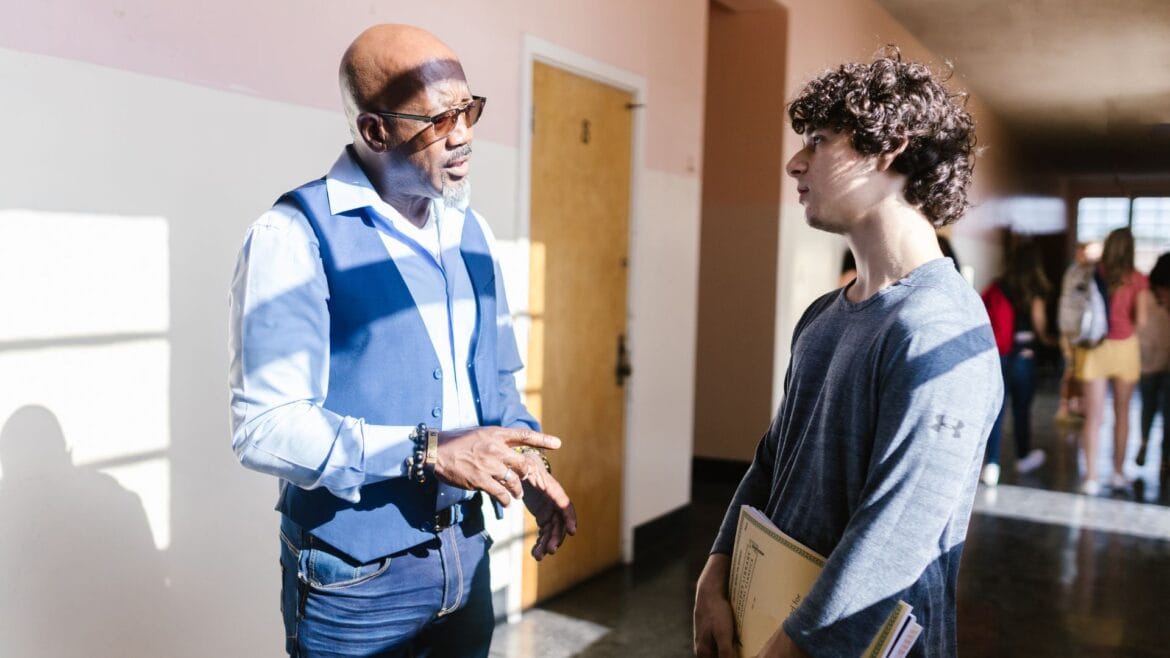
Adult mentor speaks with a student in a school hallway during a conversation about biblical worldview.

How to Have Meaningful Conversations About Biblical Worldview

How to Have Meaningful Conversations About Biblical Worldview 1920 1080 Katherine Schultz

Meaningful worldview conversations do not begin with better arguments. They begin with better questions, careful listening, and a willingness to notice how students’ beliefs, behaviors, and heart orientation are being shaped. This post helps Christian school leaders guide honest, formative conversations about biblical worldview without turning every discussion into a debate.

read more
A stack of papers and folders piled high in an office inbox beside an empty outbox.

When Worldview Assessment Leads to Action

When Worldview Assessment Leads to Action 1920 1080 Katherine Schultz

Christian school leaders often wonder whether worldview assessment would produce meaningful insight or just another report. A wise assessment should do more than measure knowledge. It should help leaders recognize patterns in students’ beliefs, behaviors, and heart orientation so they can move from vague concern to faithful action.

read more
Students gathered in a worship service, with raised hands and bowed heads, illustrating the question of whether chapel participation becomes lasting worship after graduation.

Will Your Students Still Worship After Graduation?

Will Your Students Still Worship After Graduation? 1920 1080 Katherine Schultz

Many Christian school students participate in chapel. But what happens after graduation? This post examines how worship formation moves beyond required rhythms into durable affection for Christ shaped through beliefs, behaviors, and heart orientation.

read more
Students standing between a church and a secular social scene, illustrating the tension between professed Christian beliefs and everyday choices.

Why Do Students Say the Right Things but Live Differently?

Why Do Students Say the Right Things but Live Differently? 1920 1080 Katherine Schultz

Why do some students say all the right things yet live differently? The answer may lie beyond beliefs alone. When schools consider beliefs, behaviors, and heart orientation together, a clearer picture of worldview formation begins to emerge.

read more
Mentoring conversation between a Christian school educator and two middle or high school students, illustrating spiritual formation, discipleship, and worldview discussion in a school setting.

Mentoring for Spiritual Formation: 5 Daily Practices That Shape Christian School Students’ Hearts

Mentoring for Spiritual Formation: 5 Daily Practices That Shape Christian School Students’ Hearts 1920 1080 Katherine Schultz

Mentoring in Christian schools is often discussed but rarely defined. What does it actually look like to shape students’ hearts in daily school life? In this post, Katherine Schultz outlines five practical practices that move mentoring beyond programs and into spiritual formation—while grounding the work in a clear 3-D worldview framework of beliefs, behaviors, and heart orientation. Ideal for heads of school and division leaders seeking clarity about how mentoring truly forms students over time.

read more
Bent and deformed wooden cross on hillside in isolated mountains with clear blue sky above.

Hidden Worldviews: The Influences Shaping Students More Than We Realize

Hidden Worldviews: The Influences Shaping Students More Than We Realize 1280 720 Katherine Schultz

Students can affirm biblical truth, attend chapel, and participate in Bible class while quietly absorbing competing worldview assumptions. Hidden influences often reveal themselves not through doctrinal answers, but through behaviors, attitudes, and everyday decisions.

read more
female teacher interacting with group of students in classroom

Is the 3-D Worldview Survey Right for Your School or College?

Is the 3-D Worldview Survey Right for Your School or College? 1280 720 Katherine Schultz

Do you worry your students are not living out their faith in their daily lives? So much of what we do in working with students in our Christian school, college, or church group is investing in them so that they will know the truth, but we are not satisfied with just having them know the truth.

read more
Three individuals from different religious traditions engaged in prayer and devotion, including a Jewish man reading Scripture, a Muslim man praying, and a young Christian holding a Bible, illustrating the question of whether different religions worship the same God.

Why Students Think All Religions Worship the Same God

Why Students Think All Religions Worship the Same God 1920 1080 Katherine Schultz

Many students assume all religions ultimately worship the same God. Yet that belief often reveals deeper assumptions about truth, the uniqueness of Jesus Christ, and the difference between cultural tolerance and biblical worldview formation. Understanding those assumptions can help Christian school leaders disciple students more intentionally.

read more